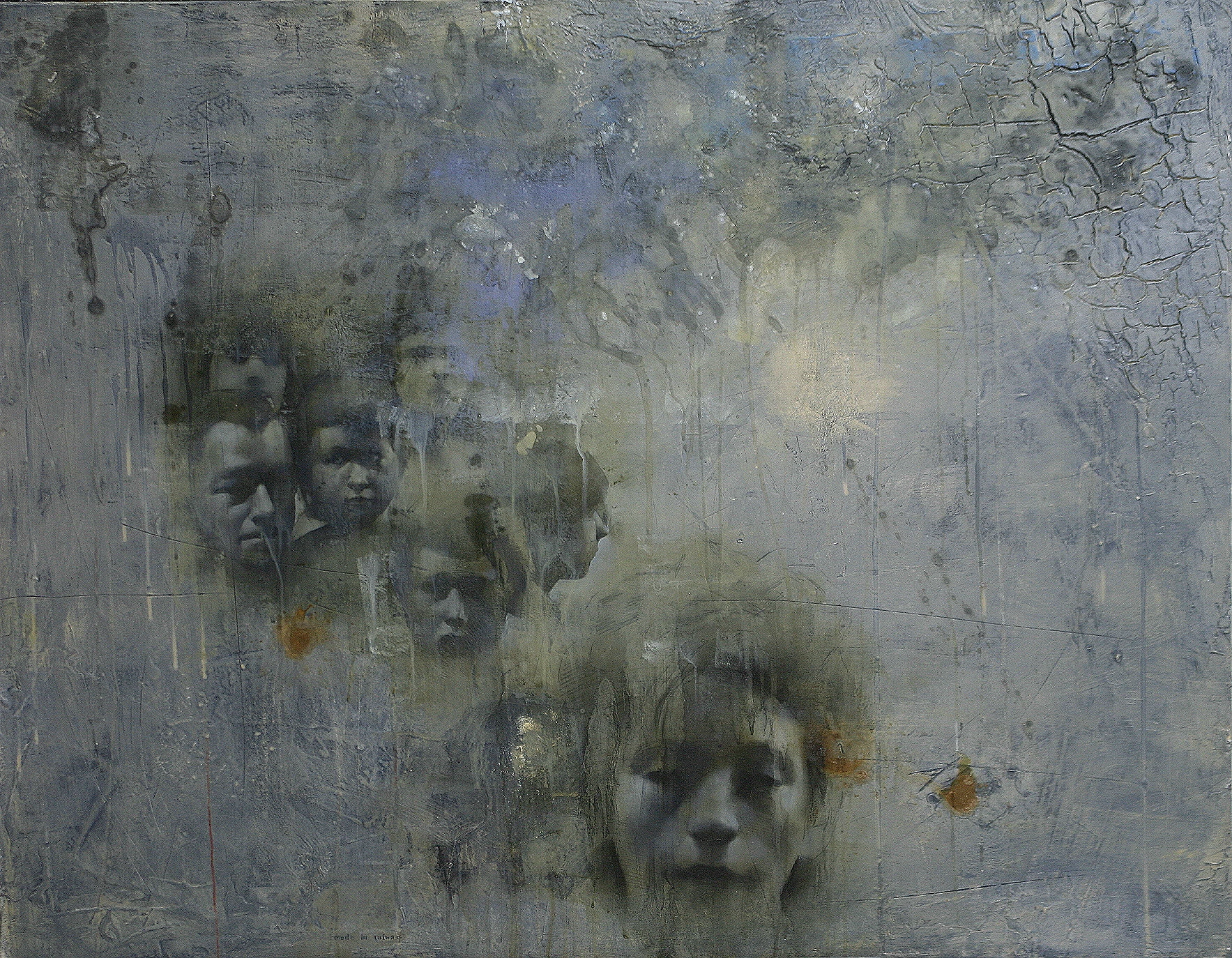
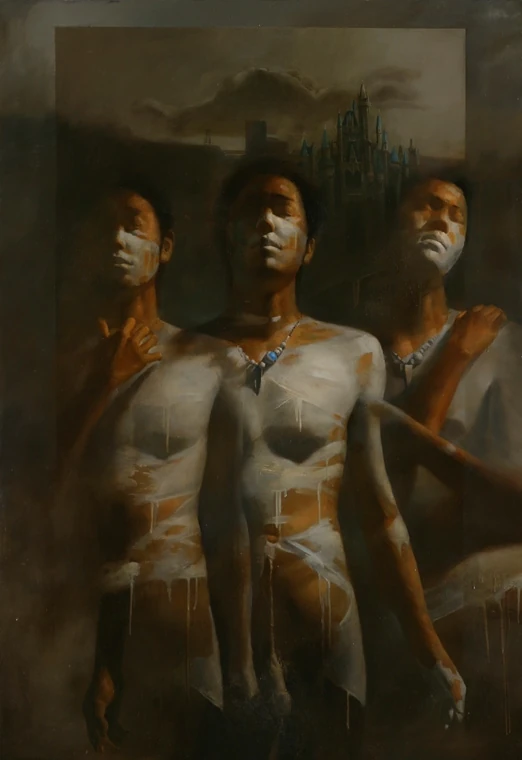
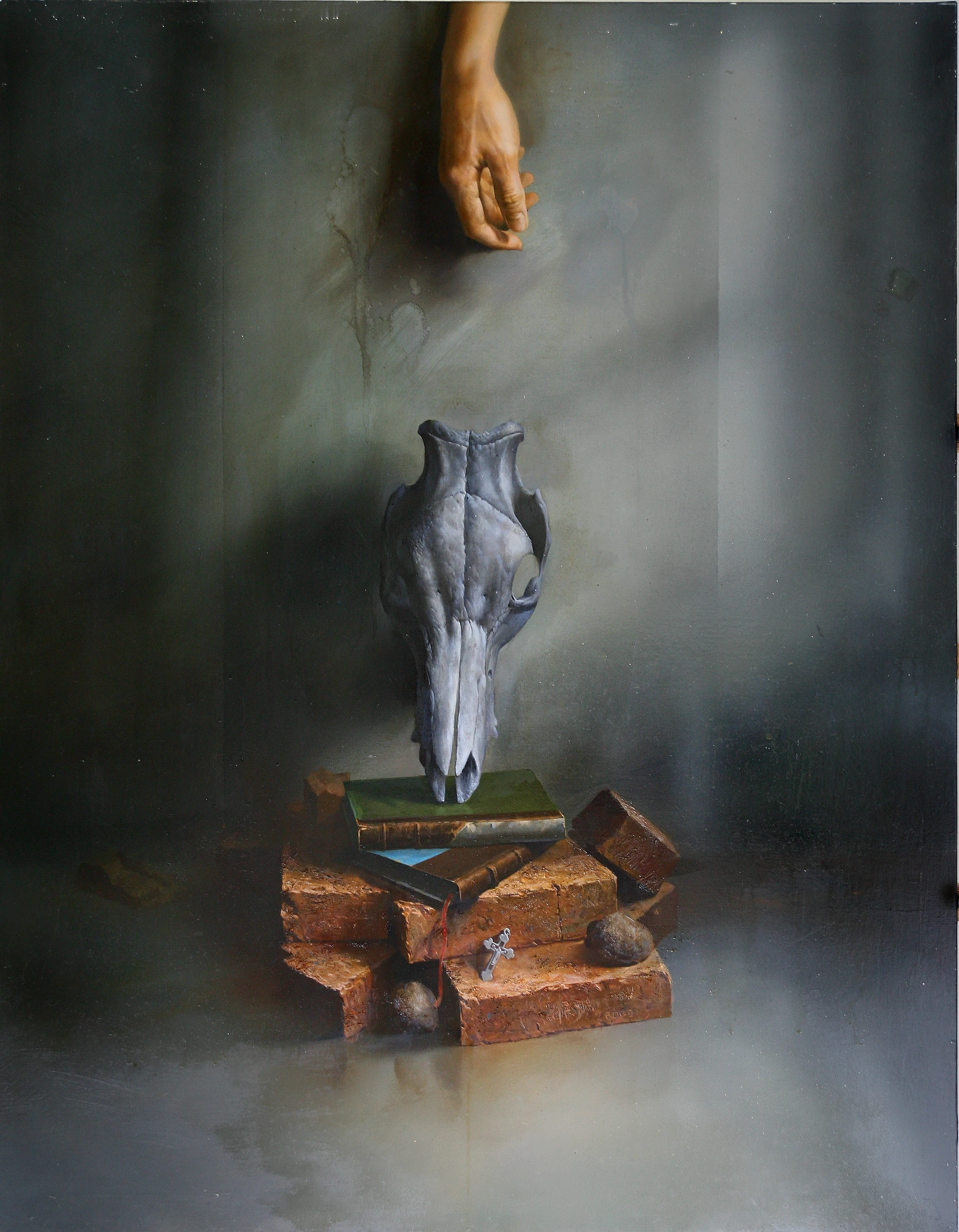
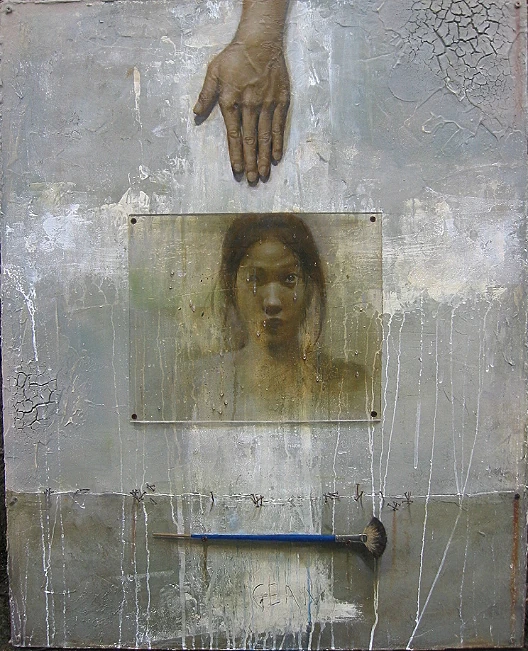
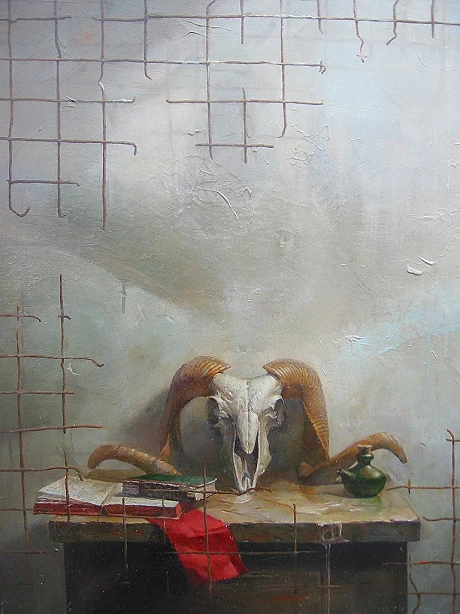
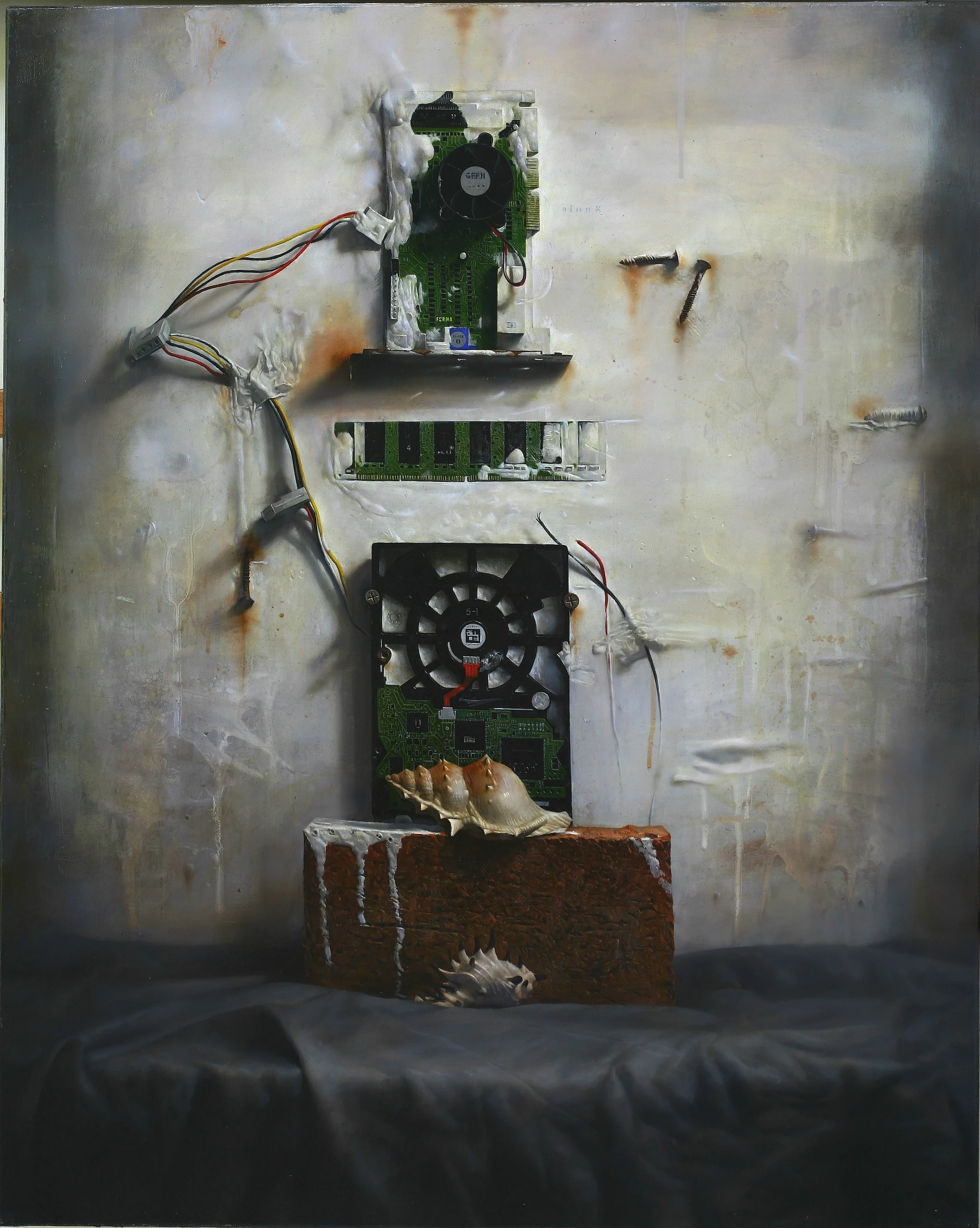
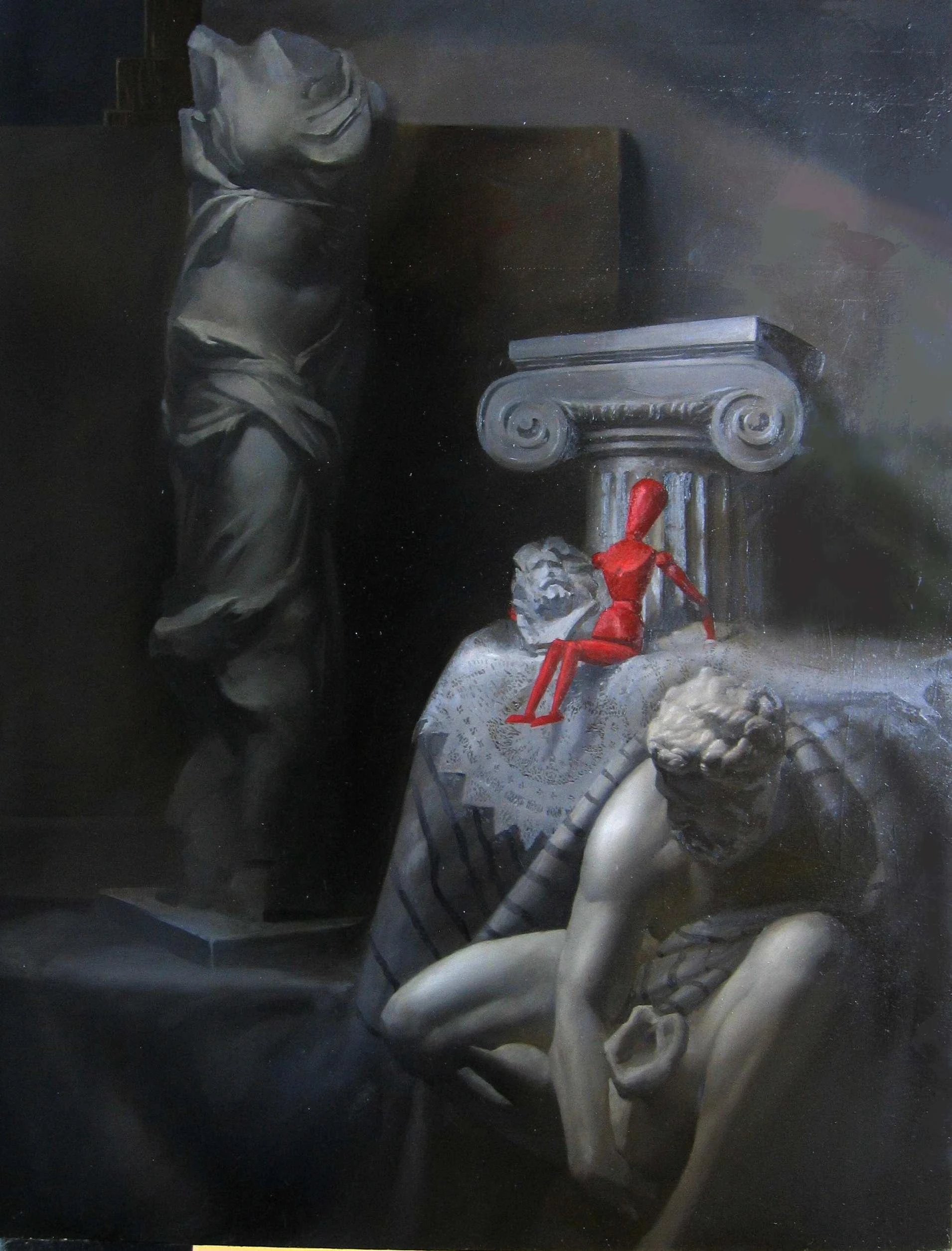
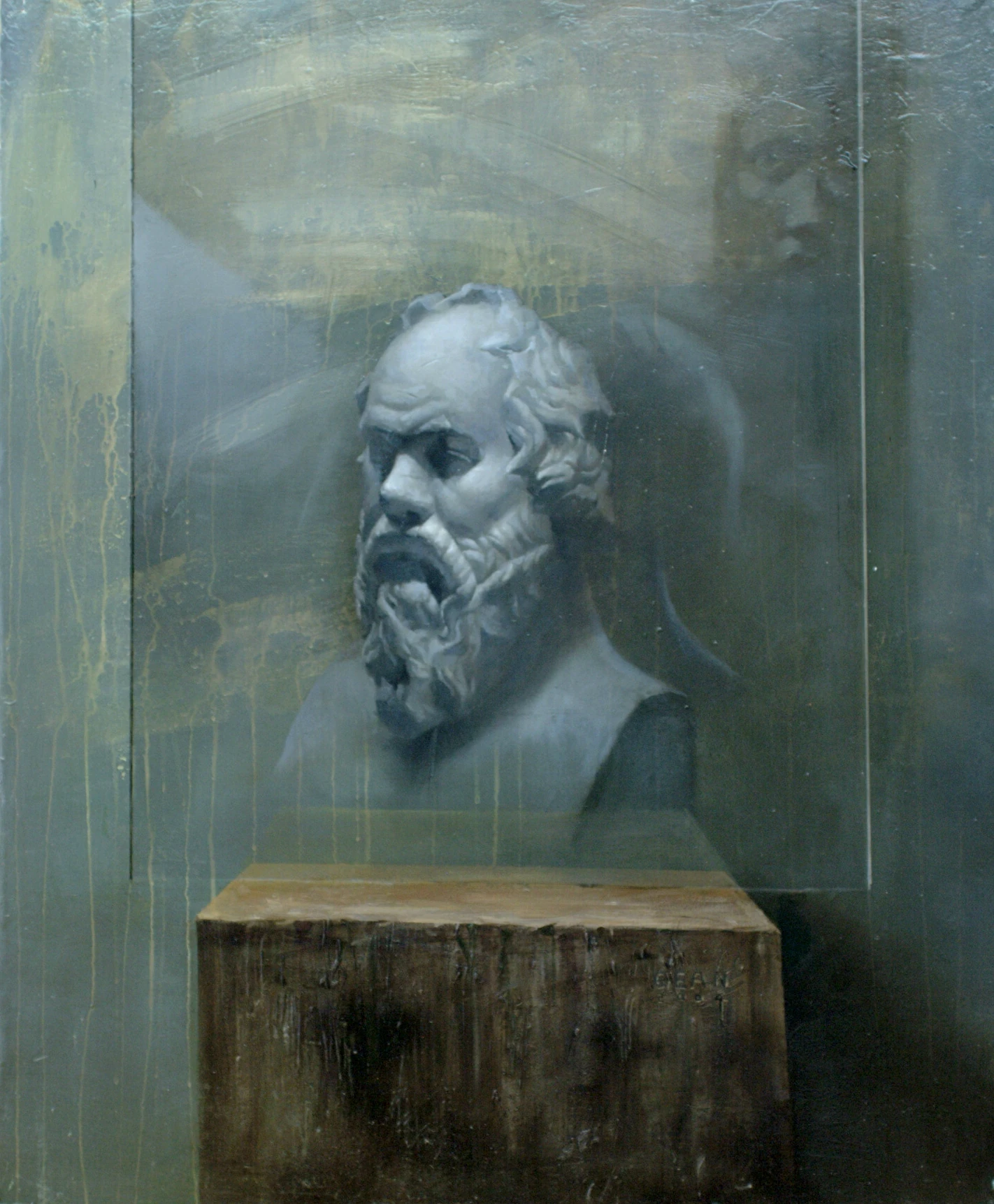
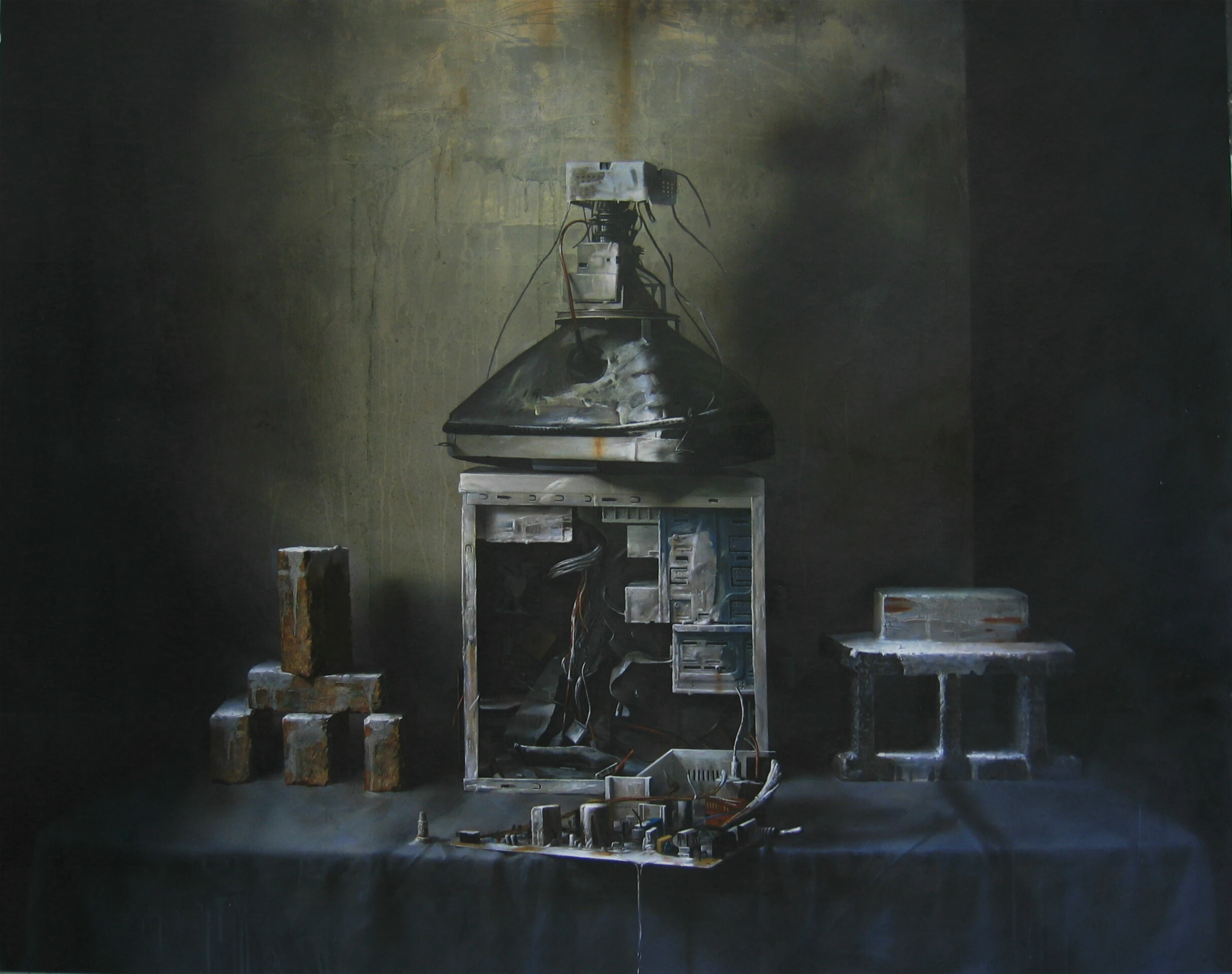
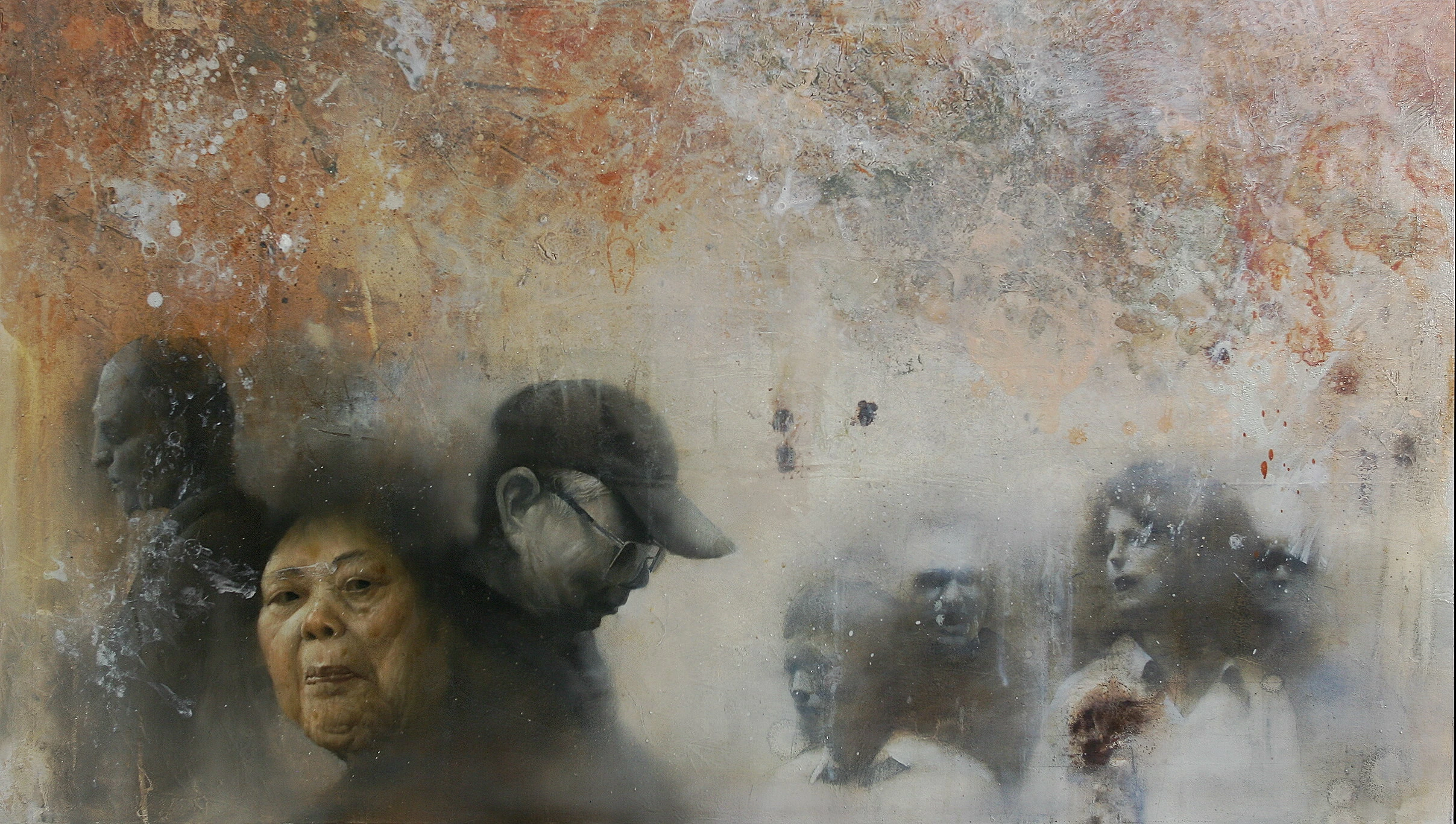
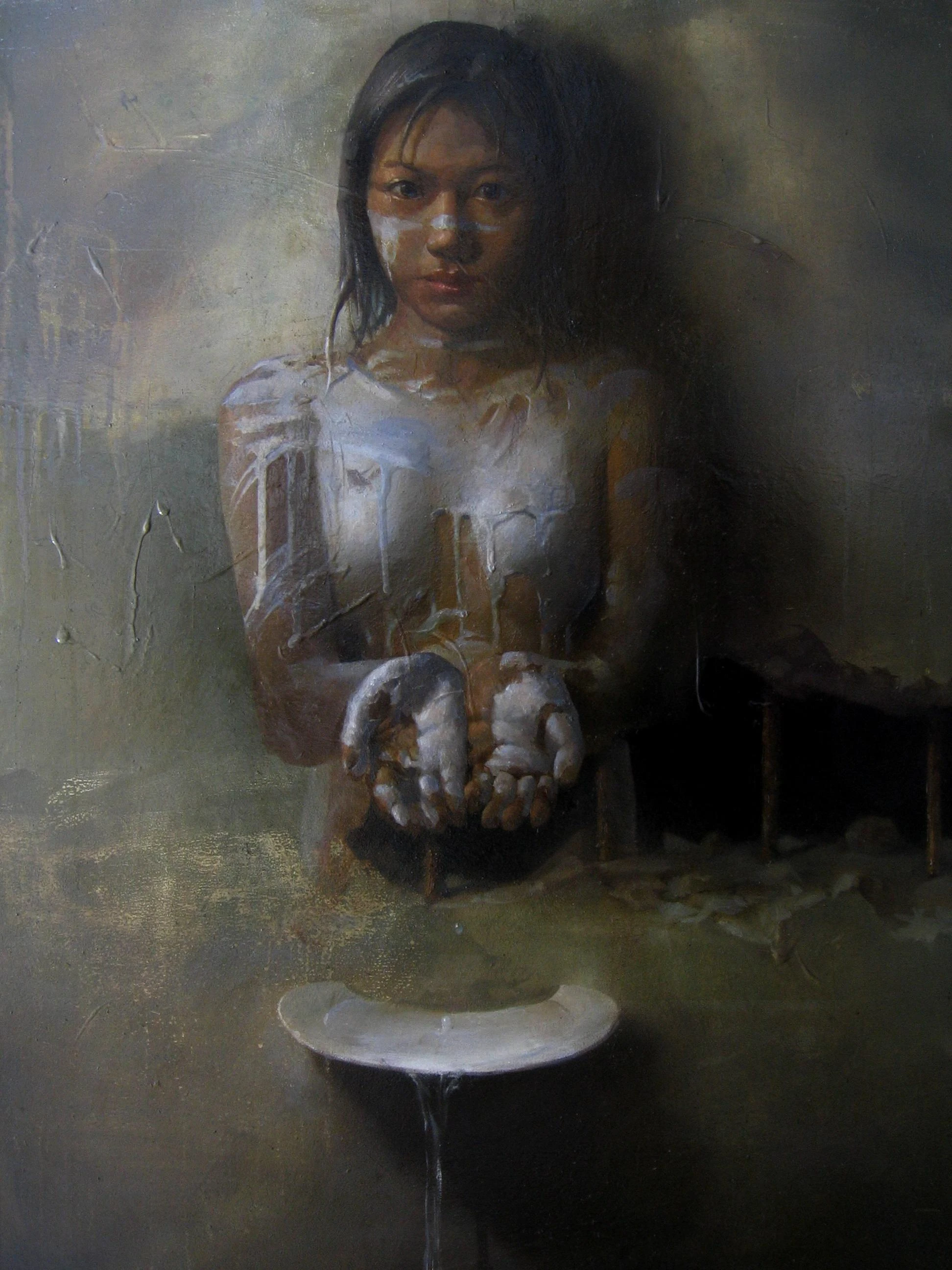
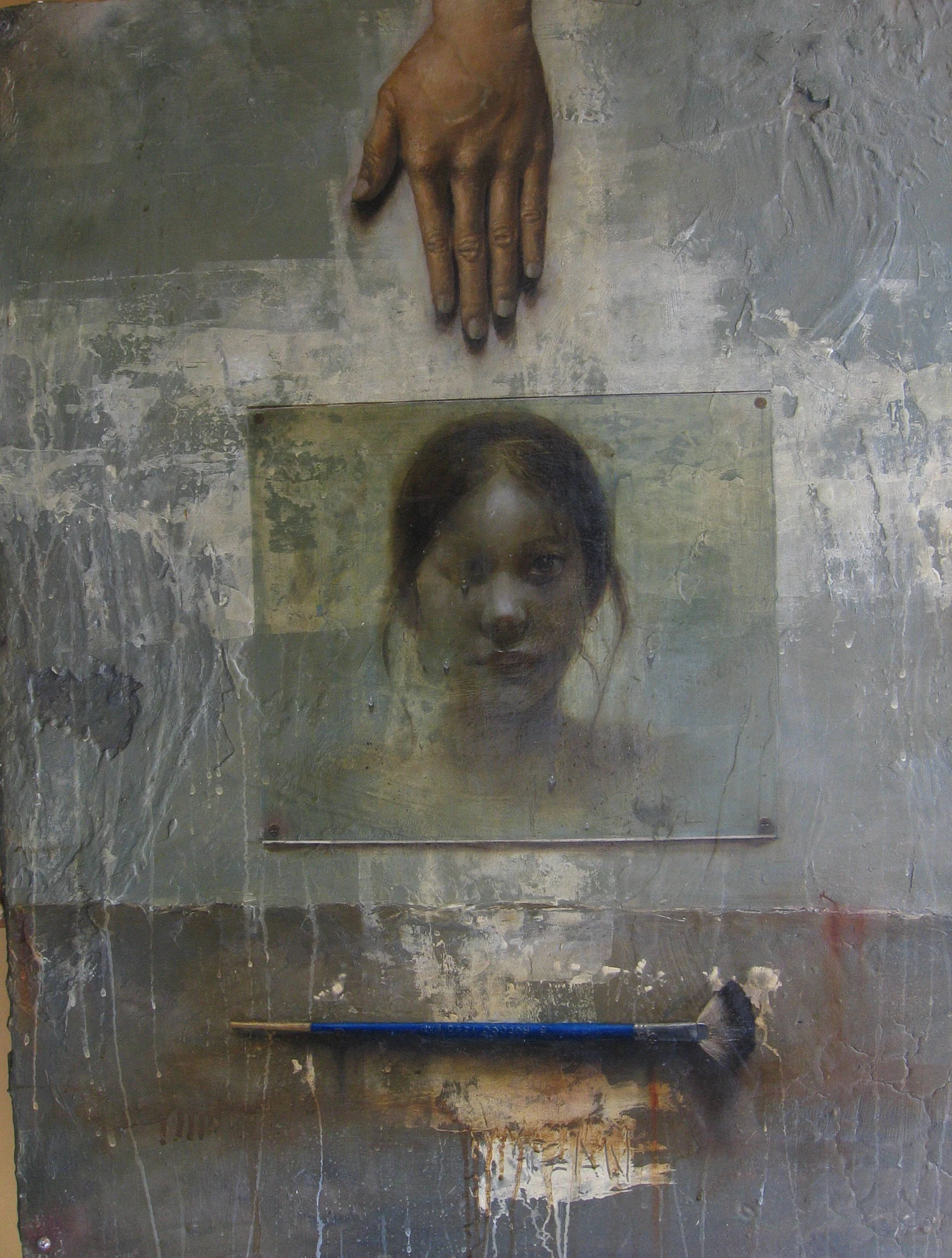
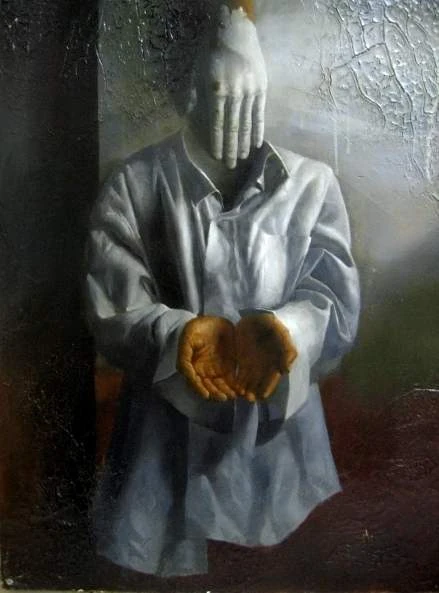
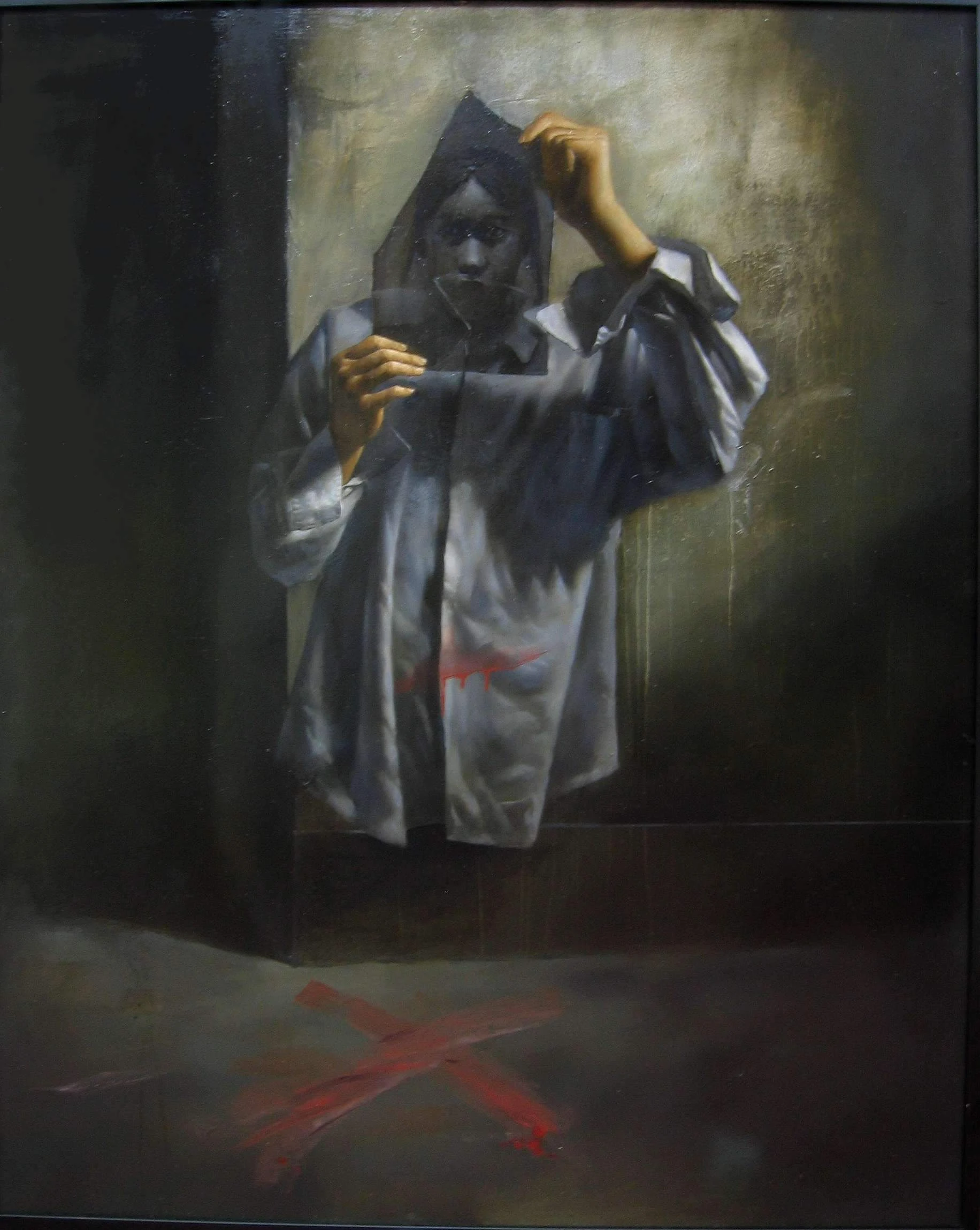
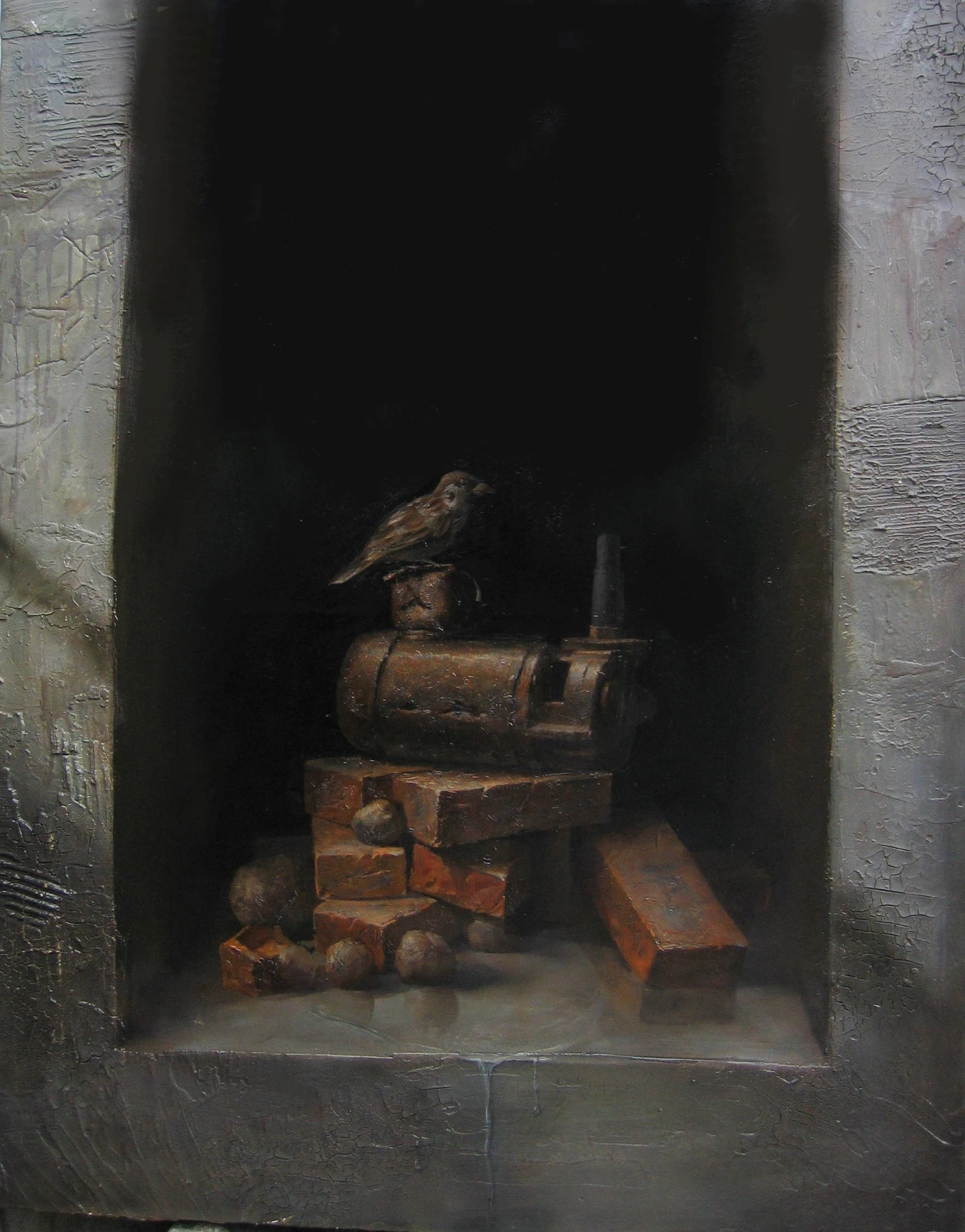
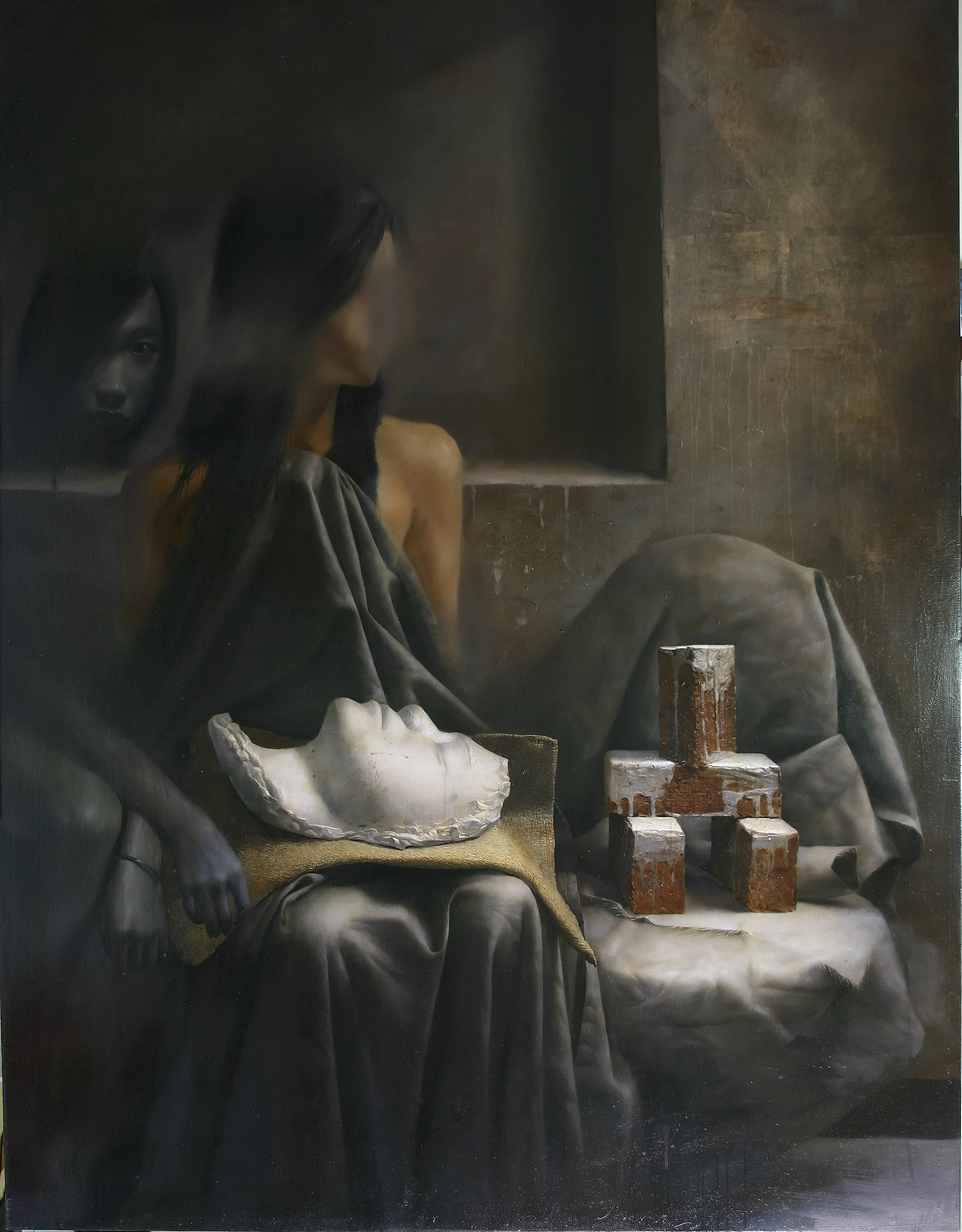
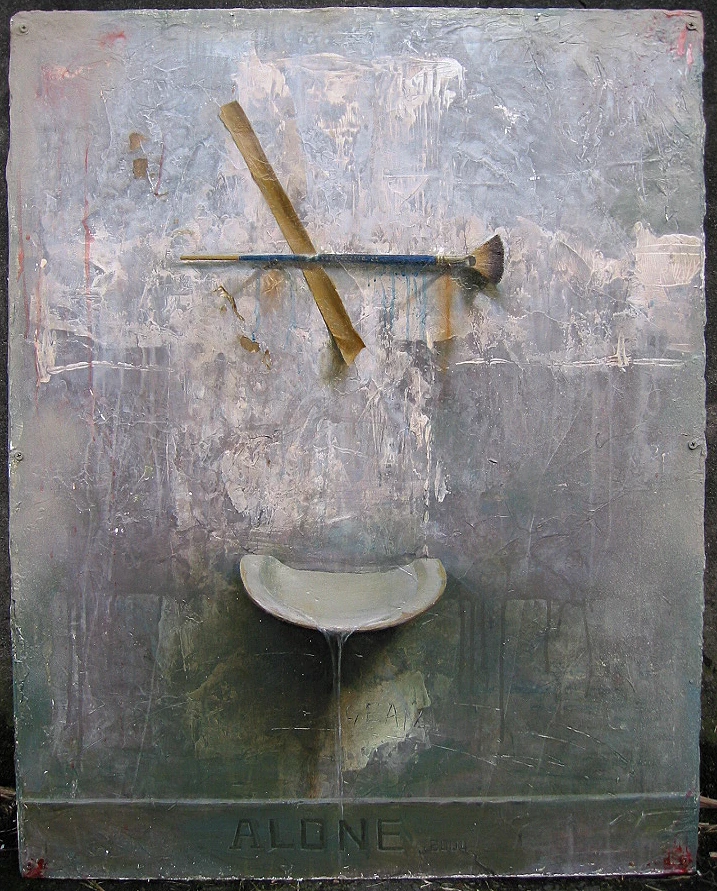
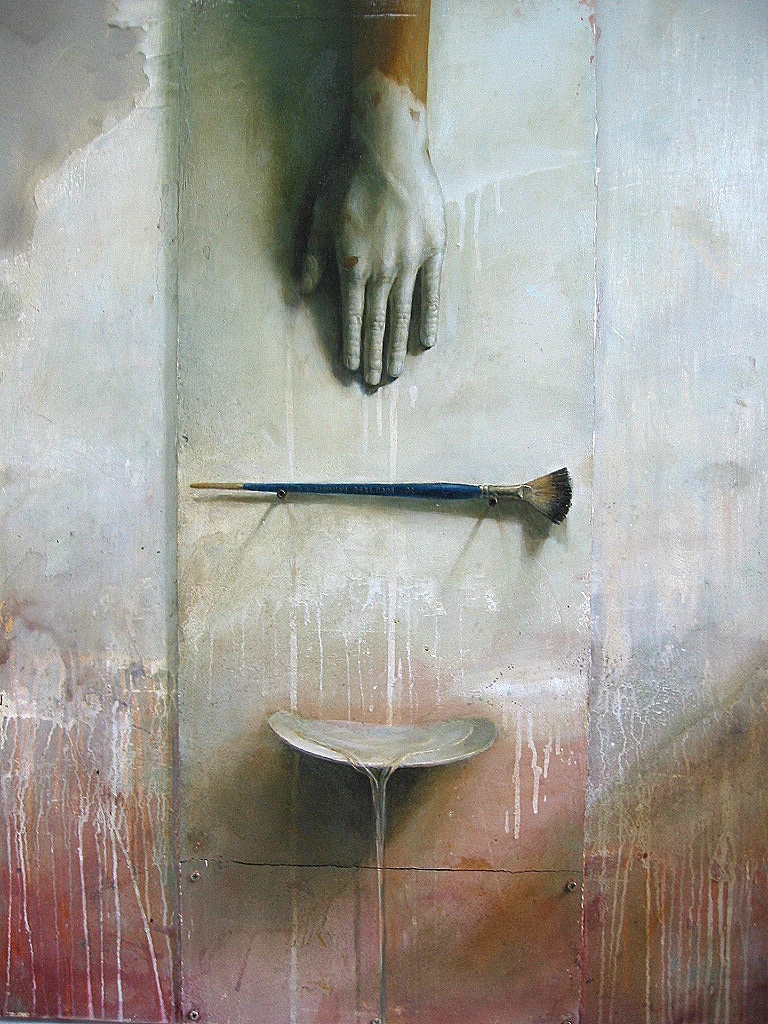
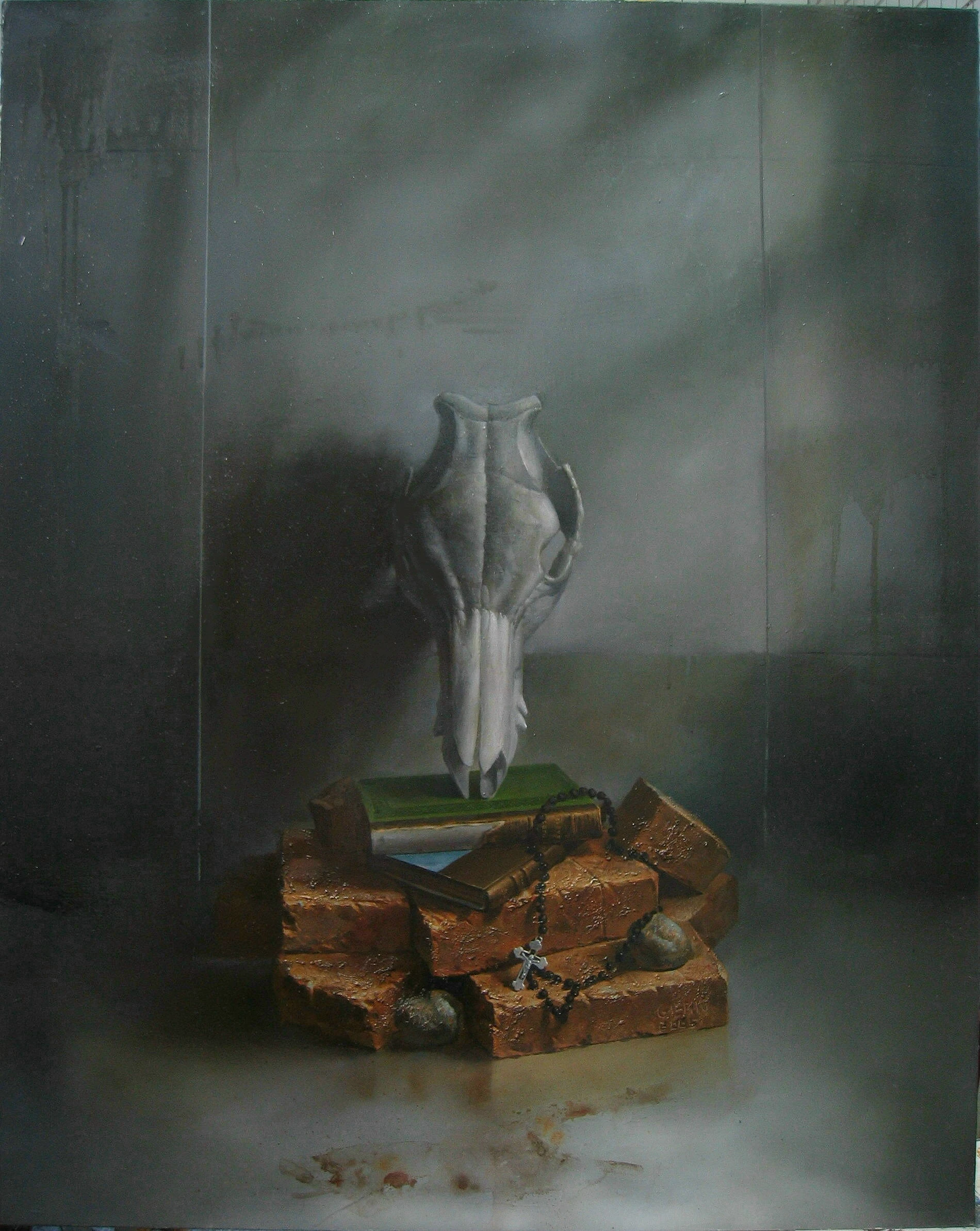
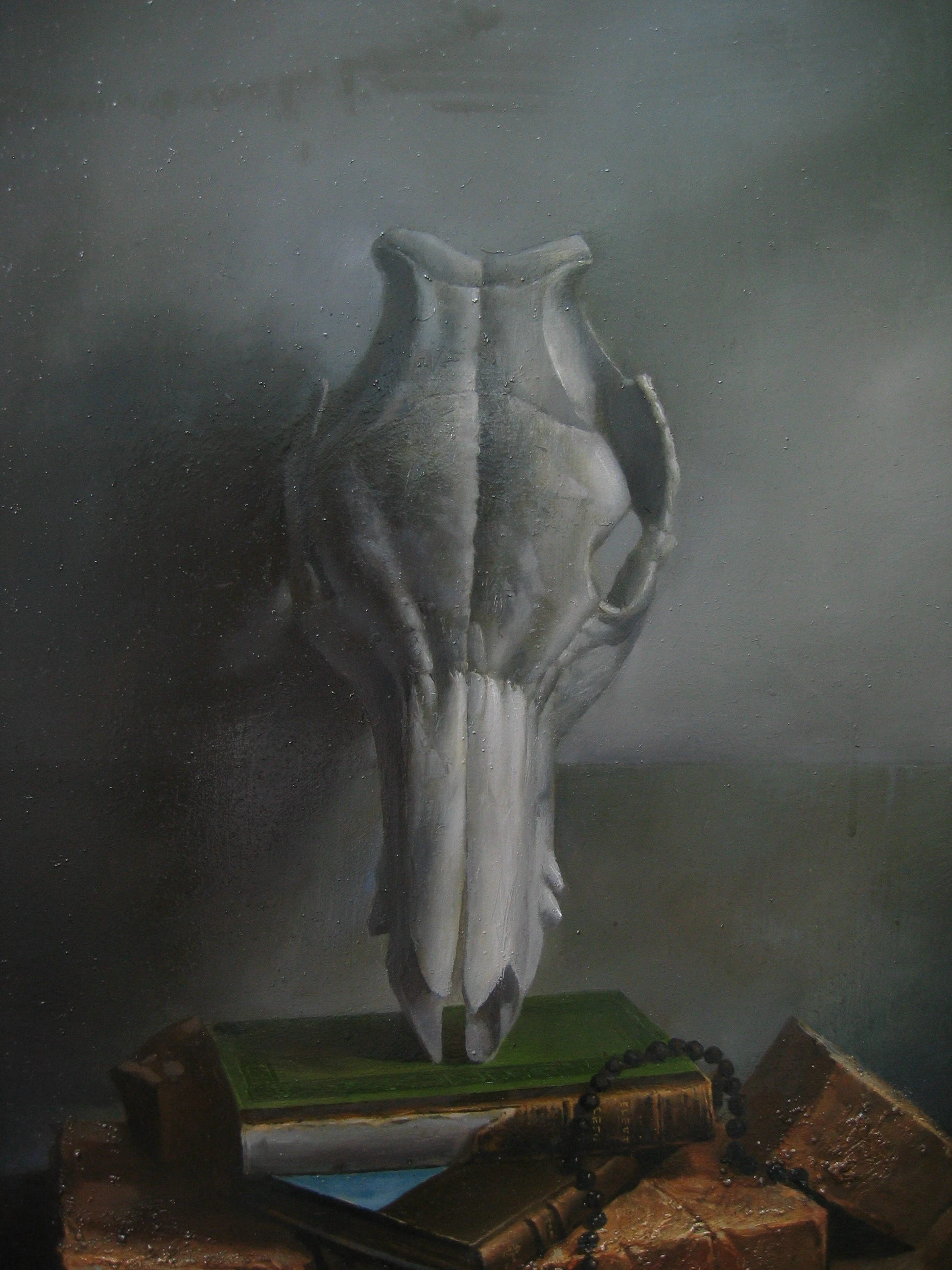
Before he began to peel the world, he peeled himself. Lo Chan Peng's earliest body of work is a prophecy already in its title — "The Artist's Trial." These were the years before his debut: young, poor, and bent on one thing only, to live by painting, he drove a wish no one had yet confirmed into a corner — beneath the wish "to be an artist," was there, in fact, a real artist at all?
He chose the least rewarding road. In an age when images were already there for the taking, realist painting meant the slowest possible means to the least certain return. Yet it was precisely this slowness that became the prototype of his lifelong method: only by grinding eye and hand to their limit can a person pass through the easy and the ready-made, and touch the harder, truer thing beneath. He later described those days as learning to walk again — what mattered was never a finished painting, but the very process of trying, and overturning oneself, without end.
It is worth remembering that this work was made before he was truly seen by the art world; only around 2007 did he meet Taiwan's most fevered market years. Some later called him lucky, forgetting that the luck had been bought with these years of near-ascetic forging.
If his whole life has been spent peeling the "reality" wrapped layer upon layer by nation, society and faith, in search of the truth beneath, then this series is the first time he turned that blade on himself. He was then neither an acknowledged artist nor able to turn back to anything else; he hung between "wishing to become" and "not yet" — the first threshold he stood upon in person. He recognised it first in himself, and only later had the power to name it, again and again, in a generation, in a stretch of history, in a whole civilisation's understanding of the real.